Table Of Content

The doctor may be able to suggest further treatment options. Or, a person may have a skin condition that resembles ingrown hairs. Many ingrown hairs will resolve over time without treatment. It is often best to let them heal on their own and take preventive steps.
Put Down the Tweezers: Here's the Safest Way to Get Rid of Ingrown Hairs
The key to managing ingrown hairs has to do with reducing swelling of the area, keeping the area clean, and making sure you have tools that are clean before removal. Of course, if the bumps aren’t going away on their own, are becoming painful, or look like they’re getting infected, it might be time to see your dermatologist about how to treat them to reduce the swelling. And if you find yourself getting desperate (hey, all of us have been there), be sure not to pop or pluck the hair—that's how it can become more infected. If you remove your body hair, ingrown hairs can be a super annoying part of the experience, so we’re not surprised if you’ve been tempted to take ingrown-hair removal into your own hands. If you want to stick with shaving, do so in the direction of the hair.
Alternative hair removal methods
This means that most of the time, you don't need to worry about removing them. "I encourage patients not to pick at ingrown hairs on their own because it can cause damage, scarring, or infection, especially if sharp tools are used," says Engleman. If ingrown hairs won’t take a hike, you may need to forgo shaving, waxing or tweezing that area. Consider alternative hair removal options, like laser hair removal. This method targets the hair follicle, and it’s usually permanent.

Laser hair removal and electrolysis
Thread the sterile needle, pin, or tweezers through the exposed hair loop. Then lift the hair loop until it releases from your skin. It's not common, but you can develop a staph infection from ingrown hairs if they're not treated. Symptoms include a pimple at your ingrown hair's follicle, warmth or swelling around your ingrown hair, fever, or a general feeling of illness. You may keep getting ingrown hairs because you have curly or coarse hair.
About Mayo Clinic
“The razor leaves the end of the hair sharp, making it more likely to pierce back into the skin,” Dr. Hayag says. Ingrown hairs can be painful, but you can remove them safely with the help of a warm compress. To prepare your skin for removing ingrown hair, soak a clean washcloth in warm water and hold it over the area for 3 to 5 minutes. Once the rag has cooled, soak it again with warm water and repeat the process 3 or 4 times. Then, get the ingrown hair to the surface of your skin by using a pair of tweezers to gently nudge the hair.
Practice good shaving techniques
Ingrown hair is the worst–here's why they happen and how to remove them - VOGUE India
Ingrown hair is the worst–here's why they happen and how to remove them.
Posted: Wed, 17 May 2023 07:00:00 GMT [source]
Never squeeze or pick at the bumps, as this can cause inflammation and scarring. Once the hair emerges, you can use a sterile tweezer to get the rest of it out. When you have thick or curly hair, you can get a type of ingrown hair called pseudofolliculitis. The hair that grows back has a sharper edge, so it can more easily poke back through your skin and get trapped under the surface. If you shave, tweeze, or wax your hair, you can develop ingrown hairs. If you shave often, you're more likely to have ingrown hairs.
Ingrown Hair Won’t Go Away? Easy At-Home Solutions & Prevention Tips
Man declared brain dead and given 4 per cent chance of survival after plucking ingrown hair - The Mirror
Man declared brain dead and given 4 per cent chance of survival after plucking ingrown hair.
Posted: Thu, 28 Mar 2024 07:00:00 GMT [source]
Usually an ingrown hair looks like a red bump, but sometimes you can see the hair through the skin, and it may have a white pus-filled head. Most ingrown hair infections resolve in time with good hygiene, and over-the-counter creams may also help. Picking at the hair can increase the risk of an infection spreading or worsening. If the infection becomes severe, a doctor may recommend antibiotics or other treatment.
Are there different types of ingrown hairs?
Prepping the skin and hair before shaving is half the battle. According to Dr. Robinson, a good exfoliating cleanser will loosen the hair before you start to remove it, decreasing the chances that hair will become trapped inside the skin. "This cleanser by Gillette Venus gently exfoliates to remove dead skin and oils," she says. If the hair loop isn’t visible, though, they have other options. “I use a sterile needle to [pierce] the overlying skin and splinter forceps to help the hair reach the skin surface,” Dr. Bailey says.
You're also more likely to have them if you have skin of color or your hair is thick, coarse, or curly. Curly hair is more likely to bend back and reenter your skin, especially after it's been shaved or cut. If you must shave, make sure you use fragrance and chemical-free shaving creams or gels, and a high-quality, clean razor. Pay attention to which way your hair grows in the area as well so you can shave in the proper direction.
Start waxing your hair instead, or cease shaving altogether. If the area is not properly cleaned, you risk developing a very serious infection. One of the most common and serious infections known to infiltrate ingrown hairs is Staphylococcus (staph). If an ingrown hair is really giving you grief with symptoms like pain and irritation, you’ll also want to make an appointment with a dermatologist if you’re able. “A dermatologist can carefully extract ingrown hairs (after numbing you) and make sure the area is not infected,” Dr. Hayag says.
If ingrown hair infections recur or are severe, you may have an underlying condition that needs medical treatment. A doctor will usually assess an ingrown hair infection by looking at the symptoms and asking about your medical history. Rearing up on places such as your shins, your underarms and your bikini line, they occur because the hair has curled around and grown back into the skin. Like you know, this can lead to all manner of issues such as painful bumps, redness, whiteheads and even scarring.
Additionally, warm compresses allow the hair follicle to open up and drain the ingrown hair. However, it isn’t uncommon for women to get them on their armpits or legs as well. Even men and women who do not shave their legs can develop ingrown hairs on their legs. Anyone who removes hair on their body will get the occasional ingrown hair. Once you're done shaving, Dr. Marmur suggests turning to these AHA and BHA-infused pads as a second step to help prevent ingrown hairs all over the body (yes, even the pubic area).
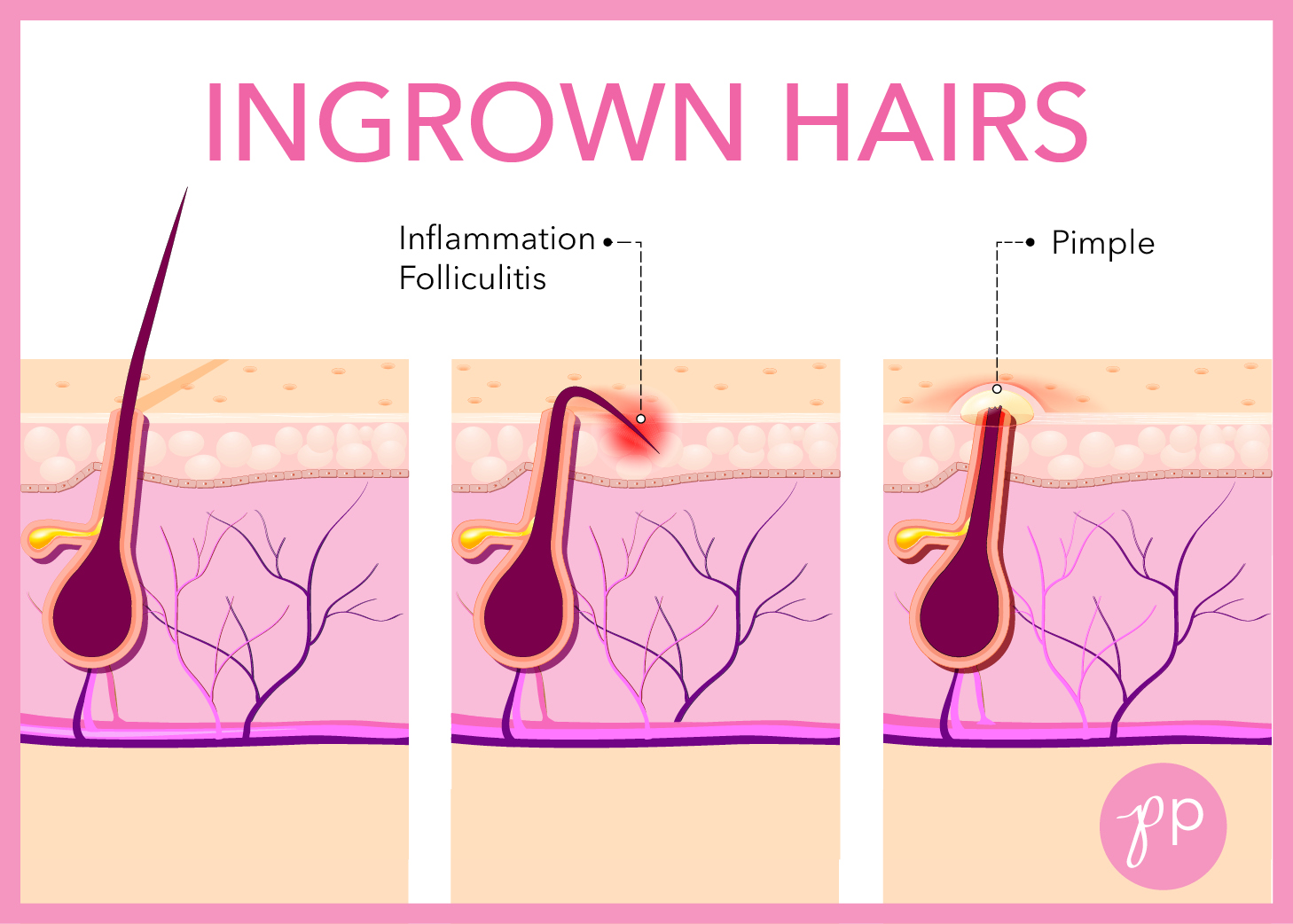
Ingrown hairs are simply hairs that have grown back into the skin. However, when the hair grows back into the skin, an inflamed, red bump develops that is sometimes itchy or tender. The pesky little bumps typically show up on your legs after you shave or tweeze aggressively, forming hairs that grow inside your (now inflamed) skin rather than out of it. “When a hair becomes trapped in the skin, that can lead to inflammation, pustules, or inflamed cysts,” says dermatologist Dr. Caroline Robinson, MD.
Doctors treat staph infections with antibiotics to prevent other serious complications, such as a blood infection. If bacteria, fungi, or other pathogens enter the skin, an infection can develop, known as folliculitis. Also, moisturizers can keep the skin from becoming dry, itchy, and inflamed. However, if a person can see the tip of the hair outside the skin, it may be easier to pull the hair out and allow the follicle to heal. The Editorial Team is comprised of several freelance hair enthusiasts that share a love of hairstyles, haircare, and hair products. Using both personal experience and third-party research, the team brings a unique perspective to their writing that might even feel like your hairstylist is talking to you themselves.
If you’ve struggled with ingrown hairs in the past and are wondering how to get rid of ingrown hair scars, here are eight secrets on how to get rid of scars. How to get rid of hair bumps doesn’t have to be a complicated process. This is best done before shaving and before going to sleep at night. Shaving is more likely to cause ingrown hairs, but they can also occur after waxing.
Ingrown hairs happen, but before you reach for the tweezers or get to squeezing, read this. We asked top dermatologists for their best advice on how to get rid of ingrown hair, and, more importantly, how to prevent these pesky bumps from cropping up in the first place. Most ingrown hairs will subside fairly quickly if you leave them alone. However, if an ingrown hair is really bothering you or lasts more than a couple of weeks, make an appointment to see your primary care doctor or a dermatologist. What you probably don't want to do is remove the deep ingrown hair yourself. This puts you at risk of damaging your skin or causing an infection, which often isn't worth the risk considering that a large percentage of ingrown hairs go away on their own.